Bahan Teratas untuk Bahagian Pengecapan Logam Apa yang Perlu Dipilih pada 2026
Anda memilih logam terbaik untuk pembuatan bahagian pengecapan logam: keluli karbon dan keluli gulung sejuk, keluli tahan karat, aloi aluminium, tembaga, loyang, dan titanium.Jiaxinmenilai bahan penting secara sistematik melalui nisbah kekuatan-ke-berat, kebolehbentukan, ketahanan kakisan, keupayaan tarikan dalam, dan kos pengeluaran seunit. Pendekatan kejuruteraan langsung ini mengoptimumkan kualiti keseluruhan untuk logam terpilih dalam projek pengecapan logam anda.
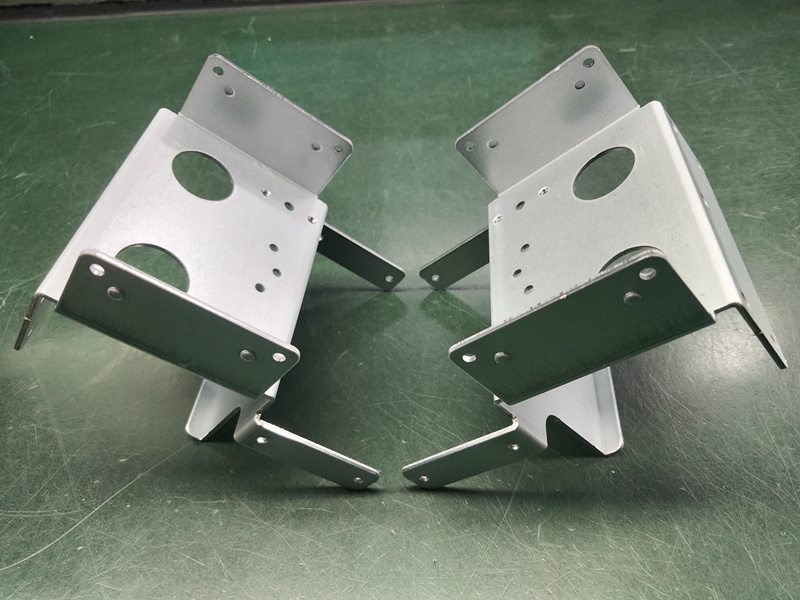
Anda memilih logam terbaik untuk menghasilkan bahagian kepingan logam berkualiti tinggi bagi pembuatan volum tinggi. Memilih bahan yang betul untuk pengecapan memastikan kebolehbentukan optimum dan prestasi jangka panjang dalam pelbagai persekitaran operasi. Logam nipis dengan ketebalan 2.5 mm atau kurang dijangka menguasai bahagian pasaran sebanyak 41.64% menjelang 2026 didorong oleh komponen automotif dan elektronik kompak. Pengeluaran berketepatan tinggi bergantung pada logam yang sesuai untuk meminimumkan sisa dan meningkatkan kecekapan struktur.
Keluli karbon rendah menyediakan pilihan kos efektif untuk bahagian pengecapan logam volum tinggi. Logam ini menawarkan julat titik alah 200–350 MPa dan julat kekuatan tegangan 350–550 MPa. Kira-kira 61% pengeluar automotif menggunakan tiub keluli ringan dalam komponen seperti tiub pemacu bumbung gelongsor. Anda mencapai ketahanan tinggi dalam proses pengecapan logam. Keluli gulung sejuk memberikan kualiti permukaan yang lebih baik berbanding keluli gulung panas. Keluli gulung panas menunjukkan kerak kilang dengan julat toleransi permukaan antara ±0.5 mm dan ±1.0 mm. Penggulungan sejuk menyediakan kemasan licin dengan julat toleransi ketat antara ±0.1 mm dan ±0.3 mm. Anda memilih keluli gulung sejuk untuk komponen pengecapan logam berketepatan tinggi yang memerlukan toleransi tolok yang ketat.
Keluli tahan karat dan aloi aluminium menawarkan ketahanan kakisan yang luar biasa serta daya tarikan estetik yang tinggi. Keluli tahan karat Gred 304 mempunyai komposisi kromium-nikel yang seimbang. Anda memilih Gred 304 untuk pengecapan logam tarikan dalam kerana ia tahan pembentukan kompleks tanpa retak. Gred 316 mengandungi 2–3% molibdenum untuk melindungi komponen daripada kakisan lubang klorida yang teruk. Aloi aluminium membekalkan kapasiti ringan untuk komponen moden. Aloi aluminium 5052 mempunyai nisbah tarikan had antara 2.0 dan 2.5 dalam keadaan O temper. Anda menggunakan aloi 5052 untuk panel pintu automotif tarikan dalam kerana kos pemprosesannya rendah. Aloi aluminium 6061 memberikan prestasi struktur tinggi untuk panel automotif galas beban. Penggunaan rawatan anodisasi, penyaduran elektrik, atau salutan serbuk meningkatkan lagi kemasan estetik dan perlindungan kakisan pada bahagian aluminium semasa pengecapan logam.
Logam konduktif dan khusus menggerakkan aplikasi moden merentasi sektor aeroangkasa dan elektronik. Kira-kira 58% pengeluar penyambung elektrik memilih aloi tembaga untuk memaksimumkan prestasi elektrik. Anda memilih logam loyang dan tembaga untuk penyambung elektrik, pelindung EMI, dan bar bas dalam pengecapan logam berketepatan tinggi. Pengeluaran aeroangkasa memerlukan logam tahan lasak yang mampu menangani keadaan operasi ekstrem. Titanium Gred 5 menawarkan prestasi mekanikal tinggi, tetapi tegasan alah tinggi yang mencapai 880 MPa mengehadkan kemuluran pada suhu bilik. Jurutera menggunakan pengecapan logam panas antara 825–875°C untuk membentuk titanium Gred 5 menjadi pendakap rangka udara. Proses ini mengurangkan tegasan alah dan meningkatkan jejari lenturan minimum sehingga kira-kira 1x ketebalan. Memilih logam terbaik memastikan operasi pengecapan logam anda mengekalkan integriti struktur di bawah beban haba teruk menggunakan logam yang sesuai.
Anda mengimbangi bajet dan kekuatan dengan menilai keluarga aloi utama dan logam industri. Keluli karbon memberikan tahap kos relatif terendah. Aloi ringan berada dalam tahap kos rendah hingga sederhana, manakala pilihan keluli tahan karat berada dalam tahap sederhana hingga tinggi. Loyang mewakili pilihan paling mahal antara logam standard.
|
Jenis Logam |
Tahap Kos Relatif |
Ciri Prestasi Utama |
Sasaran Aplikasi Biasa |
|---|---|---|---|
|
Karbon Rendah |
Terendah |
Aloi struktur mesra bajet |
Pendakap automotif |
|
Aluminium |
Rendah–Sederhana |
Nisbah kekuatan-ke-berat tinggi |
Panel kenderaan ringan |
|
Keluli Tahan Karat |
Sederhana–Tinggi |
Ketahanan kakisan yang sangat baik |
Komponen aeroangkasa |
|
Loyang |
Tinggi |
Ketahanan haus unggul |
Kelengkapan perkakasan |
Anda menilai proses pengecapan logam tarikan dalam menggunakan metrik tepat. Jurutera mengekalkan toleransi ketebalan ketat dalam ±0.02 mm untuk mencegah koyakan bahan. Pembentukan optimum memerlukan nisbah alah-kepada-tegangan hampir 0.6 dan nilai r anisotropi melebihi 1.5.
Anda memadankan logam terpilih dengan persekitaran operasi untuk jangka hayat perkhidmatan yang panjang. Kelembapan tinggi dan sentuhan bahan kimia memerlukan salutan lanjutan seperti keluli ZAM. Salutan aloi zink-magnesium khusus ini menyediakan perlindungan karat yang lebih baik berbanding pilihan tergalvani standard.
Logam bersalut menggunakan sifat penyembuhan sendiri pada tepi untuk menutup potongan terdedah secara automatik. Anda melindungi bahagian kepingan logam kritikal daripada wap kimia agresif dan kelembapan. Memilih kepingan bersalut ketahanan tinggi mengurangkan perbelanjaan keseluruhan sambil mengekalkan integriti struktur.
Anda memanfaatkan rundingan kejuruteraan awal daripada Jiaxin untuk mengoptimumkan projek pengecapan logam anda. Panduan pakar memperhalus geometri komponen dan menetapkan jejari lenturan yang sesuai. Pilihan reka bentuk yang betul meminimumkan sisa dan memanjangkan hayat perkakas dengan ketara semasa pembuatan.
Jurutera Jiaxin menetapkan kelegaan acuan yang betul untuk memastikan pelepasan komponen yang lancar. Anda mengelakkan kehausan alat pramatang dan mengurangkan kos penyelenggaraan sepanjang pengeluaran berterusan bagi bahagian pengecapan logam. Perundingan langsung melancarkan aliran bahan untuk semua bahan bagi pengecapan menggunakan logam yang sesuai.
Anda memilih keluli karbon untuk kecekapan kos, aluminium untuk berat rendah, aloi tahan karat untuk ketahanan, dan kuprum untuk kekonduksian tinggi. Pemadanan logam optimum meningkatkan prestasi produk.
Bekerjasama dengan Jiaxin untuk panduan reka bentuk awal, prototaip, dan bahagian pengecapan logam volum tinggi. Pasukan kejuruteraan kami memperhalusi projek pengecapan logam tersuai anda dengan berjaya.
Anda mencapai kecekapan kos maksimum dengan memilih keluli karbon rendah. Aloi ini menyokong struktur mesra bajet Bahagian Pengecapan Logam sambil mengekalkan kebolehbentukan yang sangat baik sepanjang pengeluaran pembuatan berskala besar.
Anda memilih keluli tahan karat Gred 304 atau aluminium 5052 untuk pengecapan logam tarikan dalam. Pilihan ini menahan pembentukan kompleks tanpa retak semasa pemprosesan.
Anda memperoleh sokongan awal Sokongan Pengecapan Logam daripada jurutera Jiaxin. Pasukan teknikal kami memperhalusi geometri komponen dan memilih logam yang sesuai seperti Bahagian Pengecapan Logam SGCC untuk memanjangkan hayat perkakasan.
Kategori
blog terbaru


© hak cipta: 2026 Jiaxin (Xiamen) Precise Metal Co.,Ltd. Hak cipta terpelihara

IPv6 rangkaian disokong
Imbas ke wechat

 Melayu



 Jiaxin (Xiamen) Precise Metal C0.,Ltd.


